Hydrogen mobility demonstrates its potential as automakers push for a stronger hydrogen ecosystem
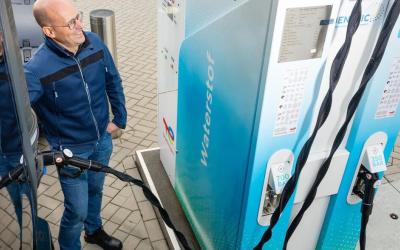
BMW, Toyota and Hyundai continue to demonstrate their commitment to hydrogen-powered mobility, as highlighted during a hydrogen vehicle test event organised by WaterstofNet and Virya Energy in Halle, Belgium, ahead of European Hydrogen Week 2026. Journalists tested the BMW iX5 Hydrogen, Toyota Mirai and Hyundai Nexo, demonstrating the technological maturity of fuel cell electric vehicles (FCEVs) and their potential to complement battery-electric mobility. Key advantages of hydrogen vehicles include rapid refuelling, long driving ranges and increasingly competitive fuel costs. At current Belgian hydrogen prices of €9.95–€11.98/kg, the BMW iX5 Hydrogen could achieve fuel costs of approximately €12–€14 per 100 km, potentially undercutting comparable diesel vehicles. However, limited refuelling infrastructure, high investment costs and growing competition from battery-electric vehicles remain significant challenges. Belgium currently has eight publicly accessible hydrogen refuelling stations, while neighbouring countries such as Germany and the Netherlands are advancing faster in implementing support mechanisms under RED III. The development of hydrogen-powered heavy-duty transport could play a crucial role in expanding infrastructure, creating stable hydrogen demand and improving the economic viability of refuelling stations for passenger vehicles. With Virya Energy's 25 MW Hyoffwind electrolyser in Zeebrugge expected to begin green hydrogen production in early 2027, the initiative underlines the importance of coordinated investments, supportive policies and cross-sector collaboration to strengthen Belgium's hydrogen ecosystem and secure hydrogen's role in a diversified, low-emission transport system.