2 September 2026
Clean Hydrogen Partnership selects new hydrogen valleys for PDA and projects for funding
Valleys
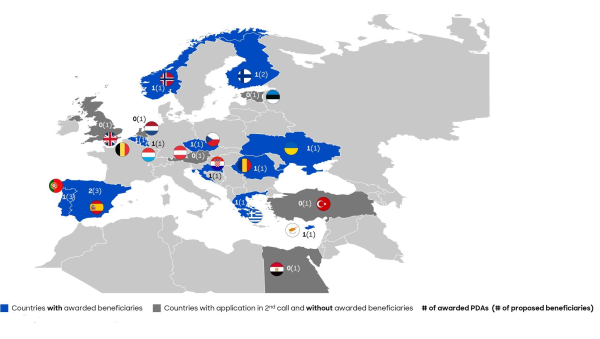
The Clean Hydrogen Partnership has selected 13 Hydrogen Valley projects from 12 countries to receive Project Development Assistance (PDA) under the second call of its Hydrogen Valleys Facility, supporting projects from early-stage concept development through to preparation for a Final Investment Decision (FID). Chosen from 23 applications, the portfolio includes eight PDA Light and five PDA Plus projects that will receive tailored commercial, technical, regulatory, and governance support from Roland Berger and Worley starting in September 2026. Among the selected projects are Belgium's Green WaHyVe, coordinated by TWEED, representing the first Walloon Hydrogen Valley to receive PDA support, and the Luxembourg National Hydrogen Project, marking Luxembourg's first entry into the PDA portfolio. Together with five other new participating countries, these additions expand the programme to 28 Hydrogen Valleys across 18 countries, further advancing the European Commission's ambition of establishing 50 operational or under-construction Hydrogen Valleys by 2030.
Projects
The Clean Hydrogen Partnership has published the flash evaluation results for its HORIZON-JU-CLEANH2-2026 call, which had an available budget of €105 million. In total, 170 proposals were submitted across 21 topics, of which 126 proposals passed the evaluation threshold, requesting a combined €537.5 million in funding. Following the evaluation, 20 proposals were retained for funding, while 106 were placed on reserve lists, highlighting the highly competitive nature of the call. In addition, five proposals received a STEP Seal, recognising high-quality projects with the potential to secure alternative funding.
Within the renewable hydrogen production area, the electrolysis topics attracted particularly strong interest. The topic on cost-efficient and reliable designs for gigawatt-scale electrolytic hydrogen production plants received 24 above-threshold proposals, of which one was selected for funding, while the topic on electrolyser safety improvements attracted seven above-threshold proposals, with one project retained for funding. In addition, one project each was selected under the topics on electrolysis using low-quality water and innovative business models for renewable electrolysis integration in industry, highlighting continued European investment across the full electrolysis value chain - from advanced materials and plant design to safety and commercial deployment. Overall, the renewable hydrogen production pillar also includes a funded project on direct solar hydrogen production and one on hydrogen production from renewable gases and biogenic waste sources.