
28 October 2026
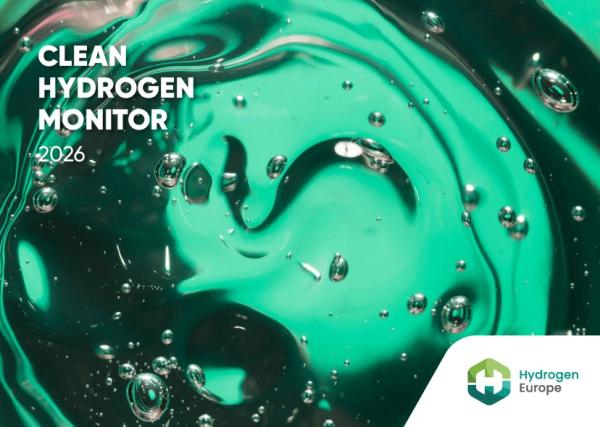
Clean Hydrogen Monitor 2026 highlights Europe’s growing hydrogen capacity and urgent investment needs
Hydrogen Europe has published its Clean Hydrogen Monitor 2026, highlighting significant progress in Europe’s clean hydrogen sector while identifying major challenges to its further development. Europe currently has 677 MW of operational water electrolysis capacity, with an additional 1.6 GW expected online by 2027 and 3.7 GW under construction. Refineries (54%) and clean steel production (31%) represent the main intended end-uses of hydrogen from projects under construction, while 78% of this capacity is concentrated in Germany, Sweden, Spain, the Netherlands and France. The report also highlights a narrowing cost gap between fossil-based and electrolytic hydrogen, reaching approximately €1/kg under favourable conditions in 2025, although rising electricity grid connection fees threaten this progress. Despite growing momentum, Hydrogen Europe estimates that an additional €50–60 billion in investment is needed to meet Europe's binding hydrogen obligations. The implementation of RED III targets is progressing across Member States, providing crucial regulatory certainty and stimulating demand for renewable hydrogen in industry and transport. The report emphasises that clear policy frameworks, targeted financial support and competitive electricity costs will be essential to accelerate hydrogen deployment, strengthen Europe's industrial competitiveness and reduce dependence on imported fossil fuels. According to Hydrogen Europe, adequate investment in hydrogen could also reduce Europe's annual gas import costs by more than €10 billion, reinforcing hydrogen's strategic role in building a more resilient, flexible and decarbonised European energy system.